
Exploring the psychology behind casino gaming strategies
The role of chance and risk perception
The psychology of casino gaming is deeply intertwined with the concepts of chance and risk. Players often perceive their experiences in casinos as a series of risks taken, with the potential for reward driving their engagement. This perception is influenced by cognitive biases, such as the illusion of control, where players believe they can influence outcomes that are purely based on luck. This belief can lead to increased participation and larger wagers, as individuals feel more empowered by their supposed ability to sway the results. To better understand these dynamics, resources like https://watergovernance.ca/ can provide valuable insights.
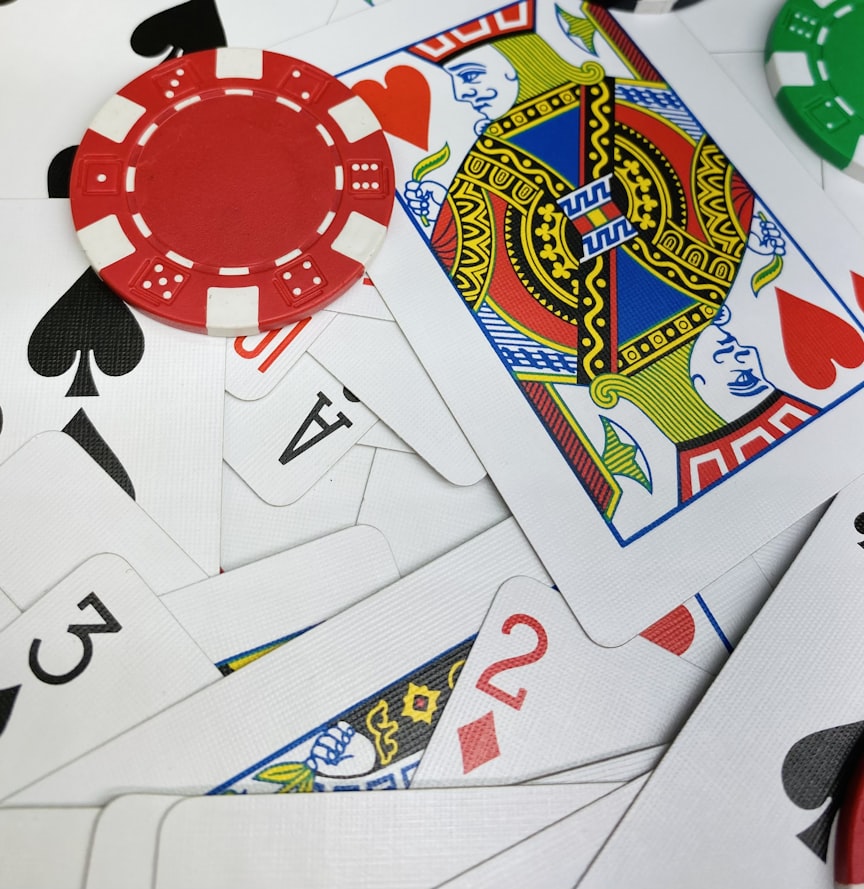
Furthermore, the thrill associated with gambling can create a rollercoaster of emotions. The anticipation of winning resonates with the brain’s reward pathways, leading to a release of dopamine, the neurotransmitter linked to pleasure. This biochemical response reinforces the behavior of gambling, encouraging players to continue despite potential losses. Understanding this relationship between risk perception and emotional response can provide insights into why players adopt specific strategies when gaming at casinos.
The impact of environment on decision-making
The physical environment of a casino plays a significant role in shaping player behavior and strategy. Factors such as lighting, sounds, and layout are meticulously designed to create an atmosphere that is both exciting and immersive. The sensory overload can lead to impulsive decision-making, encouraging players to engage in riskier bets or prolonged play without a clear strategy. Casinos leverage these environmental cues to maximize player engagement and profitability.
Additionally, social elements within casinos, such as the presence of other gamblers, can influence individual strategies. The excitement of shared wins and losses can lead to a phenomenon known as social reinforcement, where players adjust their strategies based on the behaviors of those around them. In this context, players might adopt more aggressive strategies in the hopes of mirroring successful peers, further complicating their decision-making processes.
The psychology of losses and the chase phenomenon
After experiencing losses, many players fall victim to the “chase phenomenon,” a psychological trap where they continue to gamble in an attempt to recover their losses. This behavior is often fueled by a cognitive bias known as loss aversion, where the pain of losing is perceived to be greater than the joy of winning equivalent amounts. Consequently, players may irrationally escalate their bets, believing that a big win is just around the corner.
This dynamic not only impacts the strategies players adopt but also perpetuates a cycle of risk-taking that can lead to significant financial and emotional distress. Understanding the psychology behind the chase phenomenon offers valuable insights into the potential pitfalls of casino gaming, emphasizing the importance of self-awareness and controlled decision-making.
The influence of personal psychology on strategy
Individual psychological traits such as impulsivity, competitiveness, and self-control also play a crucial role in the strategies employed by casino players. Those who possess high levels of impulsivity may be more likely to engage in reckless betting behavior, whereas more cautious players may adopt conservative strategies aimed at minimizing losses over time. Understanding one’s psychological predispositions can thus inform better gaming strategies and enhance overall gambling experiences.
Additionally, personal beliefs about luck and superstitions can shape player behavior significantly. For some, rituals or specific betting sequences are part of the gaming experience, with players believing that these practices influence their chances of winning. This interplay between personal psychology and strategy highlights the unique ways in which individuals approach the enticing world of casino gaming.

Understanding behavioral strategies for responsible gaming
At Water Governance, we recognize the importance of understanding the psychological nuances of casino gaming strategies to promote responsible gaming practices. By educating players on the cognitive and emotional factors that influence their decisions, we can empower them to make informed choices. Understanding the nature of chance, risk perception, and personal psychology helps in recognizing the signs of problematic gambling behavior.
Our platform encourages a balanced approach to gaming, emphasizing the need for self-awareness and responsible decision-making. Through comprehensive insights and data-driven strategies, we aim to foster a community of informed players who can enjoy the thrills of casino gaming while mitigating the risks associated with it. Join us in promoting a healthier approach to gaming and responsible behaviors that prioritize individual well-being in the exhilarating world of casinos.
 English
  Spanish